How to start a brow business in the UK
Brows are one of the easiest beauty businesses to start: short appointments, low costs and clients who come back every few weeks. Here’s how to set up properly, from training and patch tests to pricing and rebooking.
By Adam Rance, founder of Pulosa6 min readChecked
The short version
Train for each brow treatment, get insurance that lists them all, and patch test before tints, henna and lamination. Microblading is different: in England you and your premises must be registered with the council. Take deposits and rebook clients before they leave.
Get accredited training for each brow treatment you offer (shaping, tinting, henna, lamination) and insurance that lists them all. Patch test before tints, henna and lamination, and record every test. Microblading and other semi-permanent brows are different: in England you and your premises must be registered with the council, and the training and insurance are more specialist. Start from home, a rented room or mobile, price from your costs and time, take deposits and rebook clients before they leave.
Why brows make a great first business
Brow appointments are short, so you can see many clients a day. Kit is compact and affordable, and clients need maintenance every four to eight weeks, which means a steady stream of repeat bookings once you’ve built a following. Brows also pair naturally with lashes, waxing and make-up, so it’s easy to grow your menu later.
1. Choose your treatments
| Treatment | Typical length | Repeat every | Notes |
|---|---|---|---|
| Wax or thread and shape | 15 to 30 minutes | 3 to 5 weeks | The core of most brow menus |
| Tint | 15 minutes | 3 to 5 weeks | Needs a patch test |
| Henna brows | 30 to 45 minutes | 4 to 6 weeks | Needs a patch test; stains skin as well as hair |
| Brow lamination | 45 to 60 minutes | 6 to 8 weeks | Chemical treatment; patch test and careful consultation |
| Microblading and powder brows | 2 to 3 hours | Top-ups yearly | Semi-permanent: council registration in England |
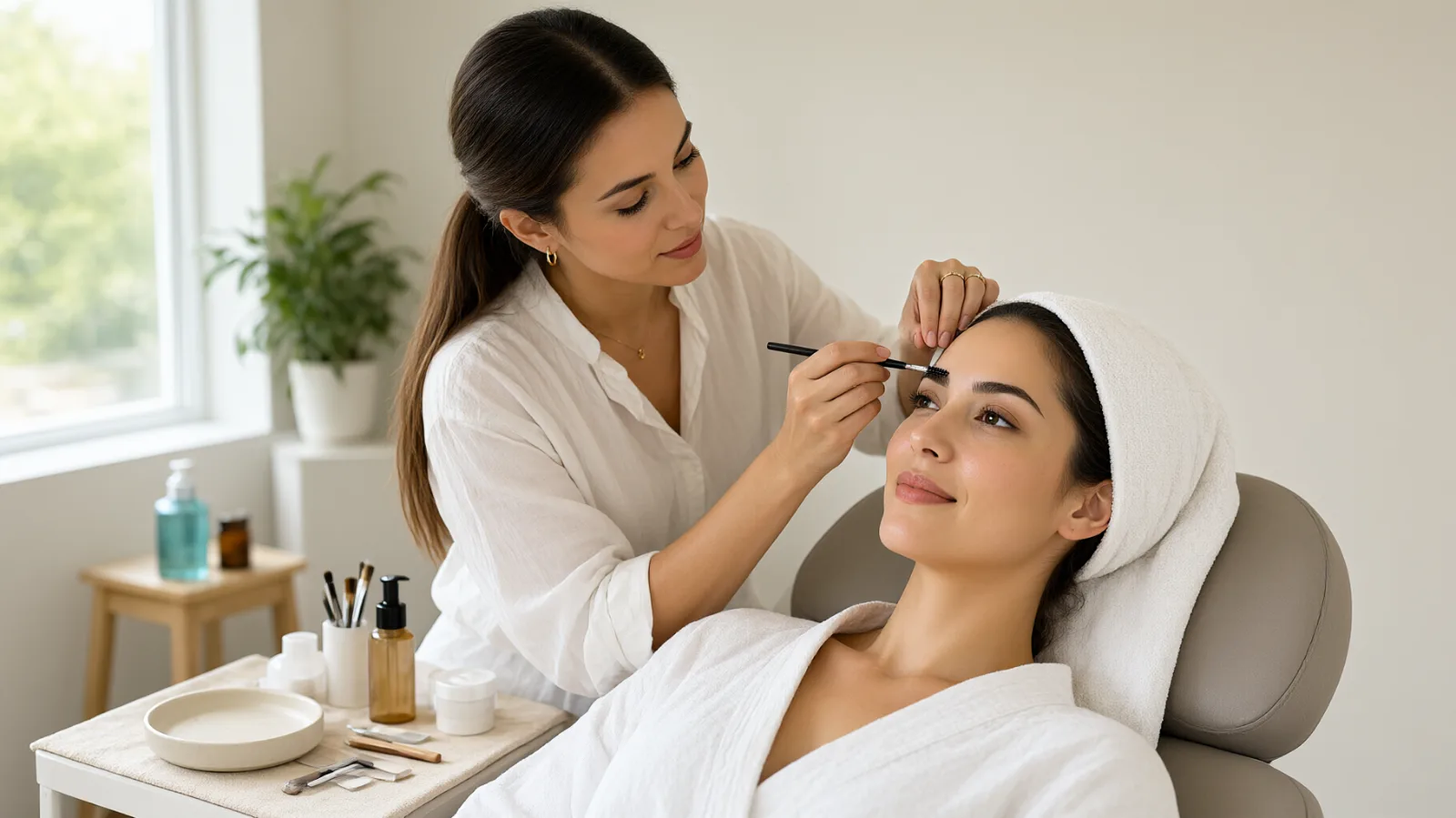
Most brow businesses start with shaping, tinting and lamination, then add henna or lashes. Microblading is best treated as a separate, more advanced step.
2. Training and insurance
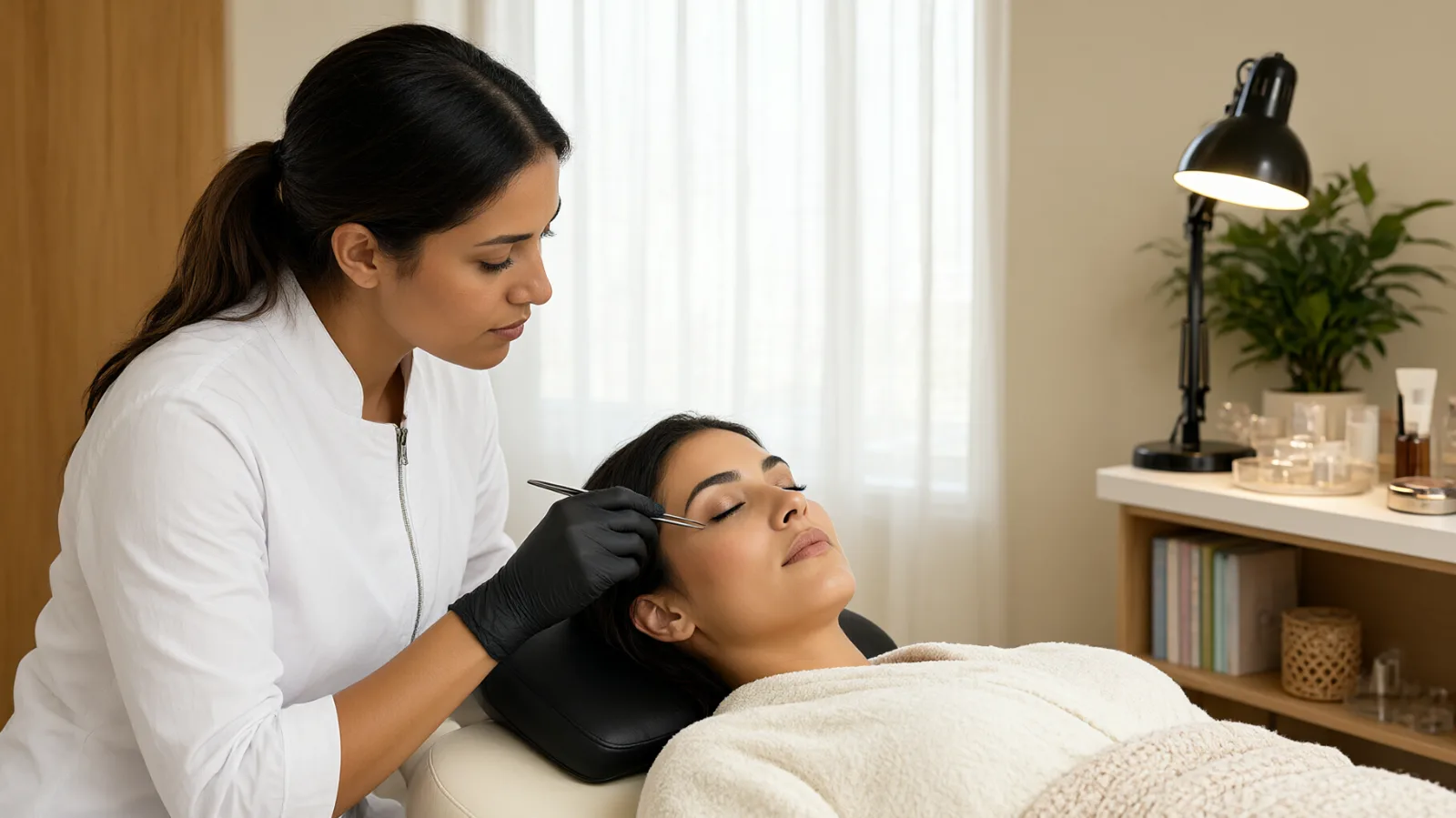
There’s no legal qualification for brow shaping, tinting or lamination in England, but insurers need recognised training for each treatment. Brow courses are usually short and accredited, often with a kit included. Check your insurer accepts the course before you book it.
You’ll need treatment liability and public liability insurance that lists every treatment, and covers where you work: home, a salon or clients’ homes. More in what insurance do I need for a beauty business.
3. Microblading and semi-permanent brows
Microblading, nano brows and powder brows break the skin to implant pigment, so in England they count as semi-permanent skin colouring. That means:
- You must register yourself and your premises with your local council (opens in a new tab) before you start, and follow its byelaws on hygiene.
- In Wales, you need a personal special procedure licence and approved premises.
- In London, borough rules may apply on top.
- Training is longer and more specialist, and insurance costs more.
- You must not treat anyone under 18 if your insurer or council rules say so, and it’s good practice to set 18 as your minimum age.
4. Patch tests and consultations
Tints, henna and lamination solutions can cause allergic reactions, sometimes severe. A patch test before a client’s first treatment, and again when you change products or if they haven’t been for a while, is standard practice and usually a condition of your insurance. Many insurers ask for it at least 48 hours before.
- Record the date, products and result on the client’s record.
- Ask about allergies, skin conditions, medication (such as retinoids) and recent treatments at every visit.
- Don’t go ahead if anything gives you doubt, and record why.
5. Where to work
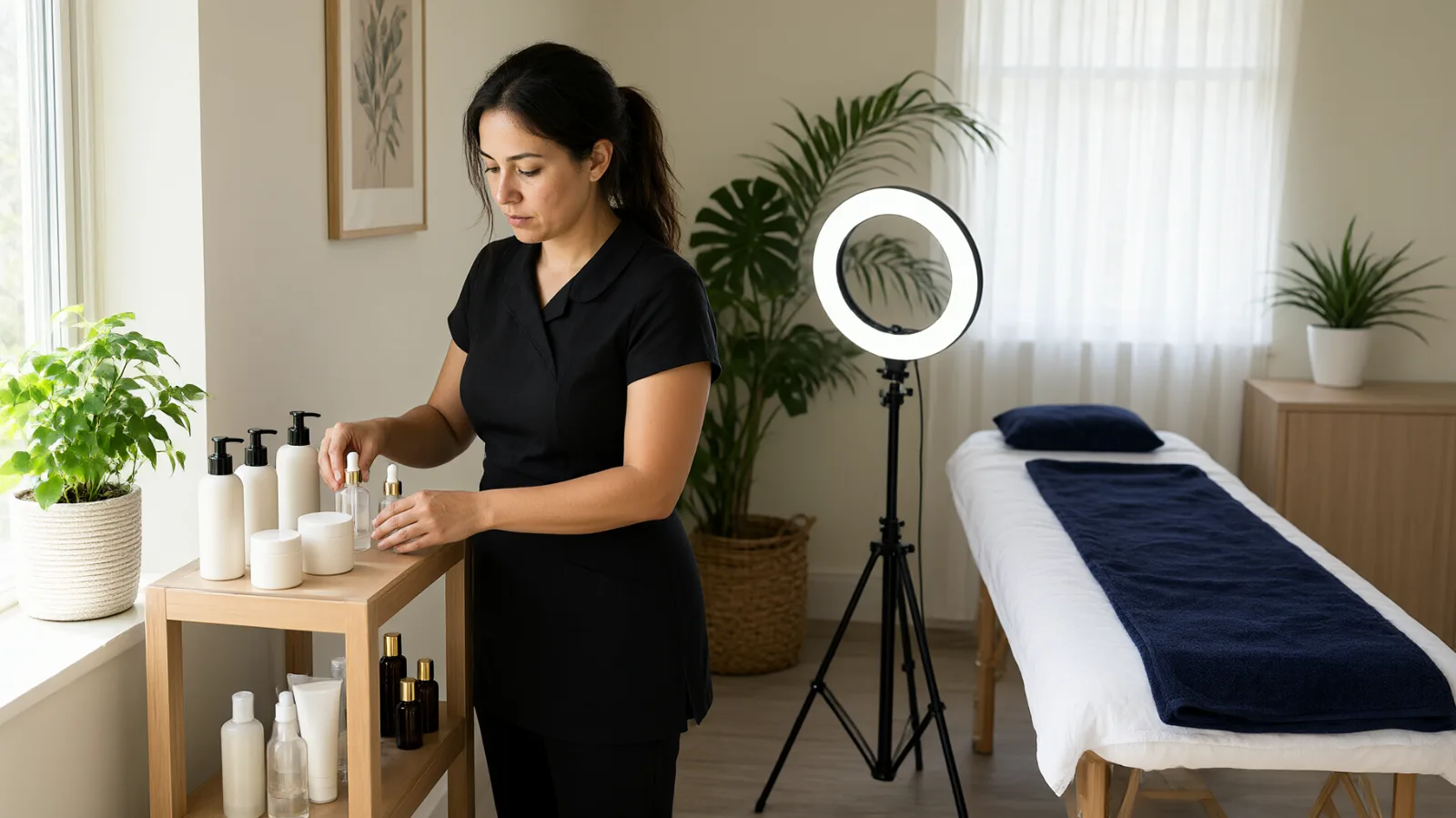
Because brow appointments need little space, they work well from a spare room at home, a rented room in a salon, or as a mobile service. A comfortable couch or chair, good daylight-balanced lighting, a magnifying lamp and a clean, wipe-down surface are the essentials.
Working from home? Check your mortgage or tenancy, tell your home insurer, and read about business rates in how to start a lash business from home, as the same rules apply.
6. Your starter kit
- Wax heater and brow wax, or threading cotton.
- Tweezers, scissors, spoolies and brow pencils for mapping.
- Tints and developers, or henna, from a professional supplier.
- A lamination kit, if you offer it.
- Pre- and post-treatment products, cotton pads and disposables.
- A magnifying lamp and a good mirror for the client.
7. Pricing and your menu
Brow treatments are quick, so it’s tempting to price them low. Work out your cost per hour instead: product cost, your share of fixed costs and a fair hourly rate, then check local prices. Combination treatments, such as shape, tint and lamination together, raise your average spend and save the client time.
Free toolPrice list makerLay out your brow menu, combinations and times in a clear price list.More in how to price beauty treatments.
Aftercare and results
Brow results depend partly on what the client does afterwards. Give clear aftercare for each treatment: keep tinted or laminated brows dry for 24 hours, avoid make-up, heat and exfoliation on the area, and use a nourishing serum after lamination. Send it in writing after every appointment, and ask clients to message you if anything doesn’t look right. Good aftercare means fewer complaints and better photos for your portfolio.
Free toolAftercare sheet templatesReady-to-edit aftercare sheets for brow treatments.8. Setting up bookings and payments
Brow clients rebook often, so make it effortless: online booking, a reminder before they’re due, and rebooking before they leave. Link patch tests to bookings so a new client can’t book a tint or lamination without one. Take deposits for longer treatments like lamination and microblading.
Free toolCancellation policy generatorWrite a clear policy, including patch test and lateness rules.9. Building your client base
- 1Before-and-after photos in natural light are your best marketing. Ask permission every time.
- 2Google Business Profile with your treatments and booking link.
- 3Rebook before they leave: brows grow back on a schedule.
- 4Partner with lash techs, hairdressers and make-up artists who don’t do brows.
- 5Ask for reviews the same day.
More ideas in how to get your first 50 clients, and the full set-up in how to start a beauty business in the UK.
Questions people ask
Do I need a licence to do brows?
Not for shaping, tinting, henna or lamination in most of England, though some London boroughs have their own rules. Microblading and other semi-permanent brows need council registration of you and your premises in England, and a licence in Wales.
Do I need a qualification to do brows?
Not by law, but you need recognised training for each treatment to get insured. Accredited brow courses are usually short and include a kit.
Do I need to patch test for brow tints and lamination?
Yes. Patch testing before a client’s first tint, henna or lamination, and when products change, is standard practice and usually required by insurers, often at least 48 hours before.
Can I do brows from home?
Yes, brows work well from home. Check your mortgage or tenancy and home insurance, and ask your council about business rates if clients visit. Microblading at home needs the premises registered.
How often do brow clients come back?
Usually every three to eight weeks, depending on the treatment, which makes rebooking before they leave the key to a full diary.
Sources
Rules change, so we check these and update the guide. Always confirm anything legal with the source, your council or an adviser.